
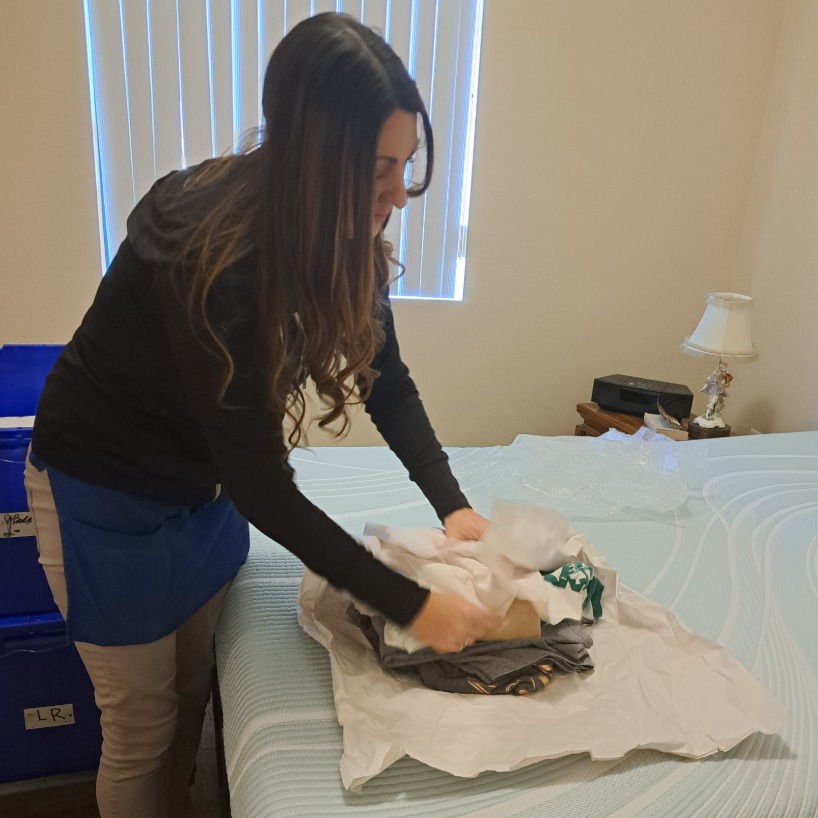
What to Pack, What to Leave: Deciding What Belongs in Your New Home
Moving to a senior community is about more than just boxes—it’s about making mindful choices for your comfort, ease, and daily joy. Seniors and their families often ask, “How do I decide what comes with me?” The answer: start with the essentials, focus on what truly matters, and cautiously fill in with the items that are most important to you.
Step 1: Decide Which Furniture Matters Most
Start with the Big Stuff:
Before anything else, measure your new home and review the floor plan.
Ask yourself:
- What pieces do I use every single day?
- Will this furniture fit comfortably in my new space?
- Is it sturdy, safe to get in and out of, and easy to move around?
Seniors frequently say, “I just want my favorite chair and my bed to feel like home.” Prioritize your bed, one comfortable chair, a small table for meals or hobbies, and your clothing that you currently, actually wear and daily essentials. Let go of items that are worn, hard to use, don’t fit or will fit ‘one day’, or might be useful ‘one day’, or no longer safe.
Tip: If you’re not sure, try arranging cutouts of your furniture on a copy of your new floor plan. This helps make the decision a little less emotional and more practical.
Step 2: Choose Lighting for Comfort and Safety
Lighting isn’t just about seeing—it’s about safety, independence, and peace of mind. Seniors often share how comforting it is to turn on a favorite lamp whether it’s new to them or one they’ve had for years.
When choosing which lights to take:
- Pack nightlights for bedrooms, bathrooms, and hallways.
- Bring lamps with easy-to-use switches for reading and hobbies.
- Consider motion-sensor lights for added safety—especially near entrances and bathrooms.
- Choose non-glare, adjustable lighting that can be placed where you need it most.
Remember that bright, well-placed lighting helps prevent falls and makes everyday tasks easier.
Step 3: Prioritize Necessities
As you sort through what to pack:
- Create an ‘essentials box’—Include medications, basic toiletries, a few days’ clothing, important documents, and items you use daily (glasses, phone charger, hearing aids).
- Kitchen basics—Limit to a few plates, cups, and utensils. Most seniors say a coffee maker, microwave, and their favorite mug make the new space feel like home.
- Personal comfort items—Blankets, family photos, and a handful of treasured keepsakes.
- Mobility and medical devices—Walkers, canes, or other aids should always come first.
Pack non-essential items last: decorative pieces, extra linens, out-of-season clothing, and rarely used kitchenware. If you’re downsizing, ask loved ones to help you decide what has sentimental value and what can be donated, sold, or left behind.
For more practical tips, check out ourblog posts on Senior Moving Tips & Advice. If you’re facing decisions about downsizing, our post on Senior Downsizing Myths Debunked which is full of gentle, practical advice. And if you need help with estate clearing, visit our Estate Clearing page for information on how we help seniors and support their families from start to finish.